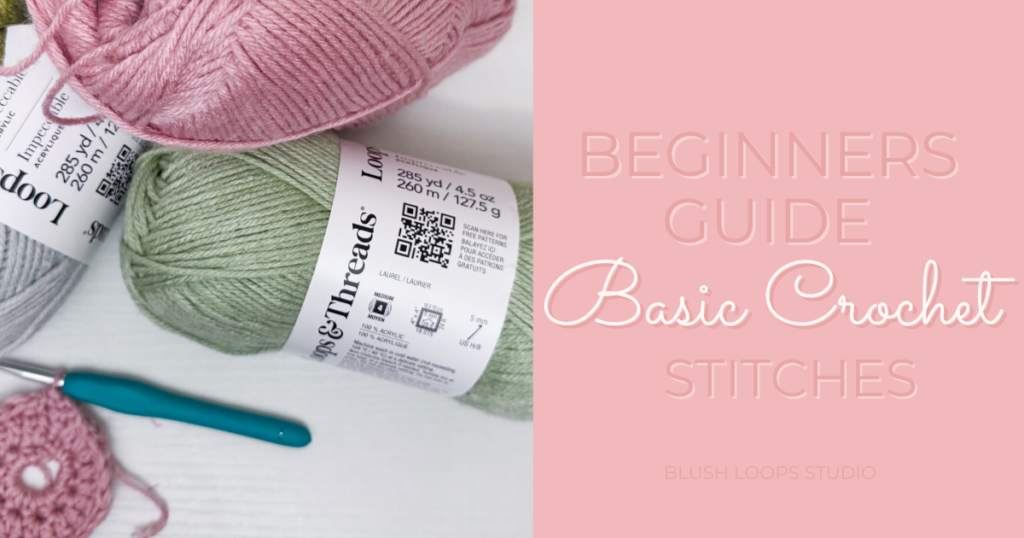
If you’re new to crochet, it can feel like there are hundreds of stitches you’re supposed to know right away. You watch one tutorial, open one pattern, and suddenly everyone is casually throwing around terms like “hdc,” “dc,” and “sl st” as if you were born knowing them.
Here’s the truth: most crochet projects are built from just a handful of easy crochet stitches. That’s it. You do not need to memorize a stitch encyclopedia to get started.
Once you learn a few basic crochet stitches, everything else starts to click. Patterns become less intimidating. Your hands get more confident. And suddenly, crochet feels relaxing instead of frustrating.
In this beginner-friendly guide, we’ll walk through five essential beginner crochet stitches every new crocheter should learn first. These stitches show up everywhere, from dishcloths and scarves to blankets, hats, and even simple garments.
We’ll keep things simple, practical, and beginner-safe, with step-by-step instructions you can follow alongside photos. No pressure. No gatekeeping. Just the basics you actually need.
Why Learning Easy Crochet Stitches Matters
Before we grab a hook, let’s talk about why these stitches are so important.
Crochet patterns are written using abbreviations. When you see a pattern filled with letters like sc, dc, or hdc, it can look like a secret code. But once you learn the basic crochet stitches behind those abbreviations, patterns suddenly make sense.
Most beginner crochet patterns use the same easy stitches over and over again. Learn them well, and you’ll be able to:
- Read beginner crochet patterns more easily
- Recognize stitch names and abbreviations
- Understand stitch height and structure
- Fix mistakes without panicking
- Move on to more advanced techniques faster
These easy crochet stitches are the foundation everything else is built on. Think of them as your crochet comfort zone.
Get a Head Start on Your Crochet Journey with Our Free Beginner Guide
If you are just starting out and feeling confused, it’s okay. It’s even normal. This guide is designed to take the stress and frustration out of of the early stages of your crochet journey.
Subscribe to get FREE Patterns, guides, and crochet tips sent directly to your inbox. And don’t worry, we hate spam too. We won’t do that to you.
What You Need Before You Start
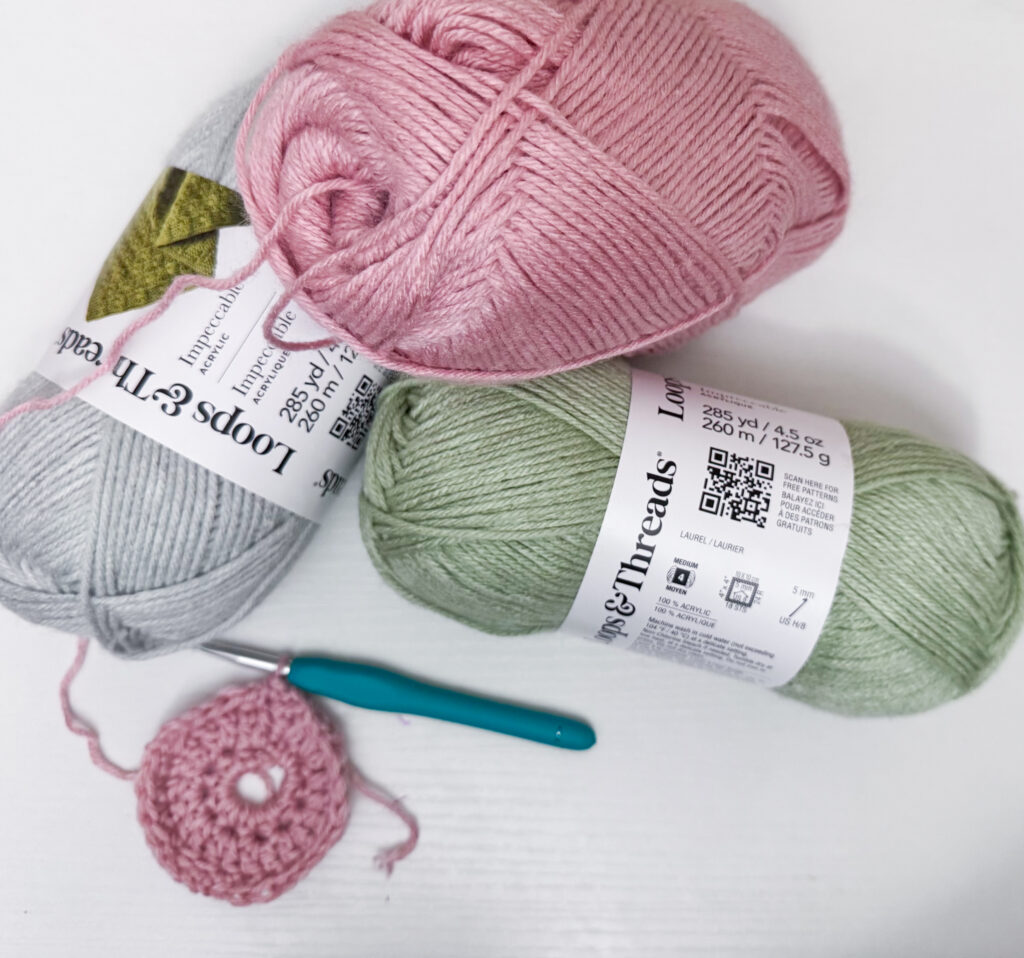
Before practicing these easy crochet stitches, gather a few basics:
- Medium (worsted weight) yarn in a light color
- A size 5-6 mm crochet hook
- Scissors
- A little patience (and maybe a snack… or a glass of wine; pick your poison)
Light-colored yarn is highly recommended for beginners. Dark yarn hides stitches, and right now, you want to see everything. Trust me, there is nothing more infuriating than thinking you nailed your row only to find out you missed a stitch because you couldn’t see it.
1. Chain Stitch (ch)
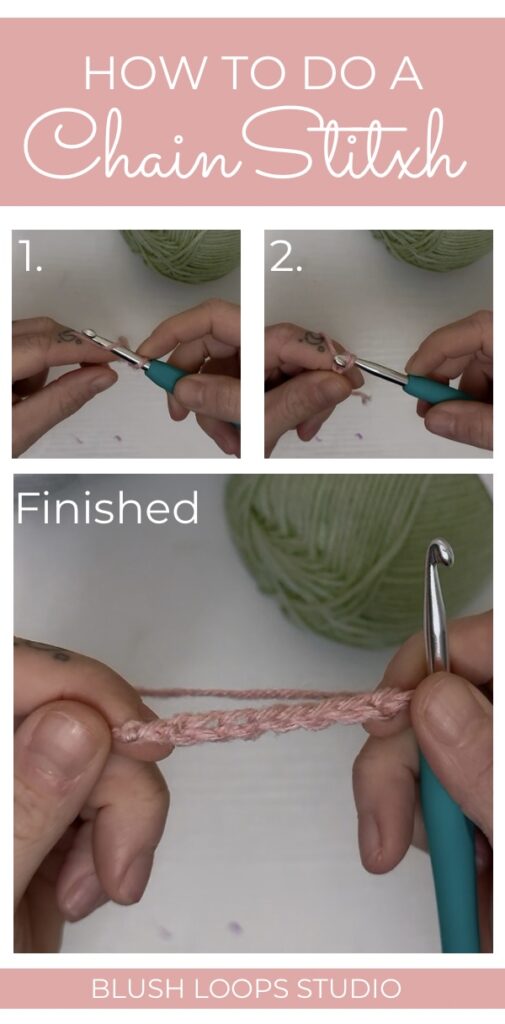
The foundation of all basic crochet stitches
The chain stitch is the very first stitch every crocheter learns. Almost every crochet project starts with a chain, and it sets the width of your project.
It looks simple. It is simple. But it’s also incredibly important. If your chains are too tight or uneven, it can make the following rows a bit more difficult to work with. Try maintaining the same tension throughout your chain so that all of the chains look even and uniform.
What the chain stitch is used for
- Starting rows and rounds
- Creating spaces between stitches
- Decorative edging and lace
- Foundation chains for blankets, scarves, and garments
You’ll see the abbreviation “ch” constantly in beginner patterns.
How to Make a Chain Stitch (Step-by-Step)
Step 1: Make a slip knot by creating a loop with your yarn and place it on your hook. Tighten it so it’s snug but still slides easily.
Step 2: Hold the hook in your dominant hand. Use your other hand to guide and tension the yarn
Step 3: Yarn over
Step 4: Pull the yarn through the loop on your hook. You’ve made one chain stitch
Step 5: Repeat. Continue yarning over and pulling through to make more chains
Beginner Tips for Chain Stitch
- Don’t pull too tight
- Keep your chains the same size
- Count as you go
2. Single Crochet (sc)
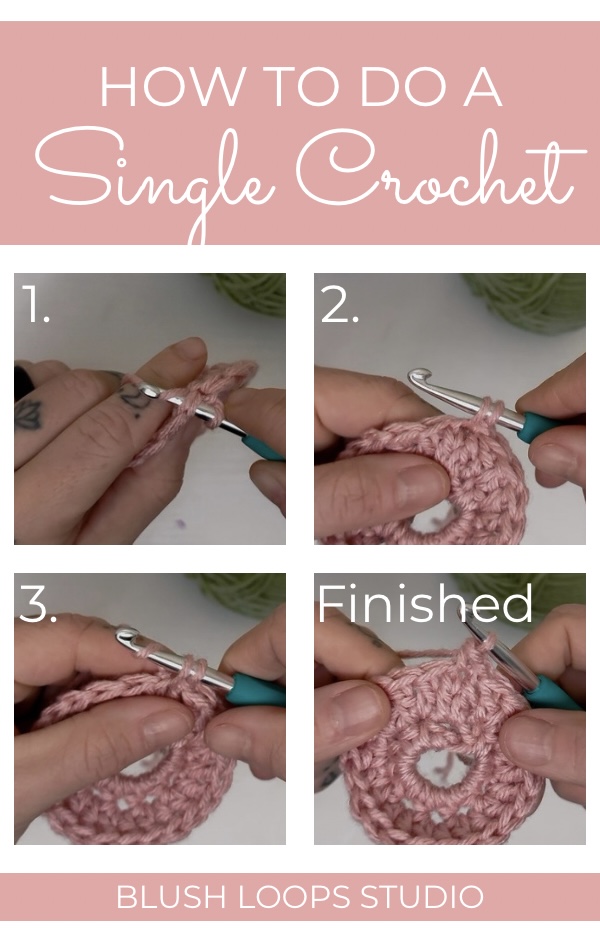
The most common beginner crochet stitch
The single crochet stitch is short, sturdy, and one of the most-used stitches in crochet. If crochet stitches had personalities, single crochet would be the reliable best friend. You just can’t go wrong with this easy crochet stitch
It creates a dense fabric, which makes it perfect for projects that need structure.
Common projects using single crochet
- Dishcloths and washcloths
- Amigurumi (crochet toys)
- Baby blankets
- Simple hats and scarves
- Borders and edging
You’ll see this stitch abbreviated as “sc.”
How to Make a Single Crochet Stitch (Step-by-Step)
Step 1: Insert your hook into the next stitch or chain.
Step 2: Yarn over
Step 3: Pull the yarn back through the stitch. You should have two loops on your hook
Step 4: Yarn over again
Step 5: Pull through both loops to complete the single crochet
Why beginners love single crochet
- Easy to recognize
- Easy to fix
- Builds confidence fast
3. Half Double Crochet (hdc)
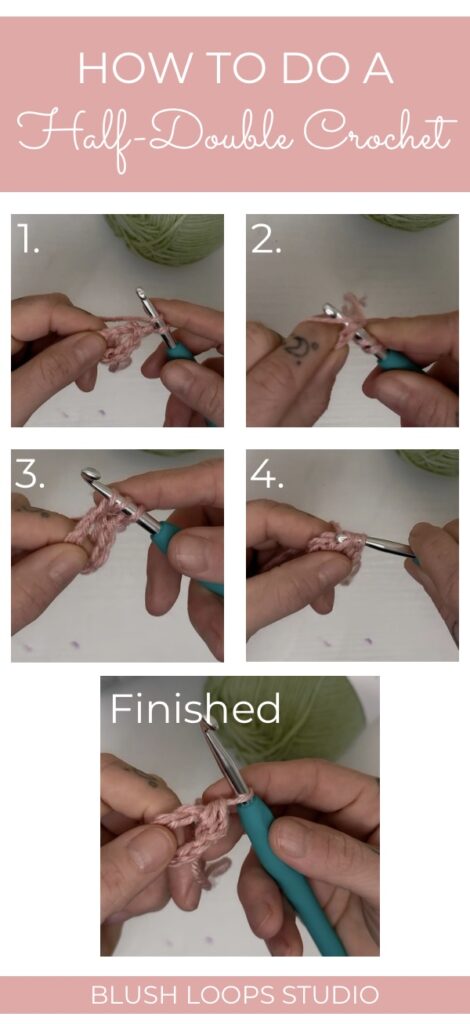
The perfect middle ground stitch
The half double crochet stitch sits right between single crochet and double crochet in height. It’s a great “next step” stitch once you’re comfortable with the basics.
It works up faster than single crochet but still feels controlled and forgiving.
What half double crochet is used for
- Blankets and throws
- Scarves and cowls
- Beanies and headbands
- Textured beginner projects
Abbreviated as “hdc.”
How to Make a Half Double Crochet (Step-by-Step)
Step 1: Yarn over before inserting your hook into the next stitch
Step 2: Insert your hook into the next stitch
Step 3: Yarn over and pull up a loop. You should now have three loops on your hook
Step 4: Yarn over again
Step 5: Pull through all three loops at one time
Beginner Tips
- Keep your loops loose
- Don’t rush the final pull-through
- Practice rows to get used to the height
4. Double Crochet (dc)
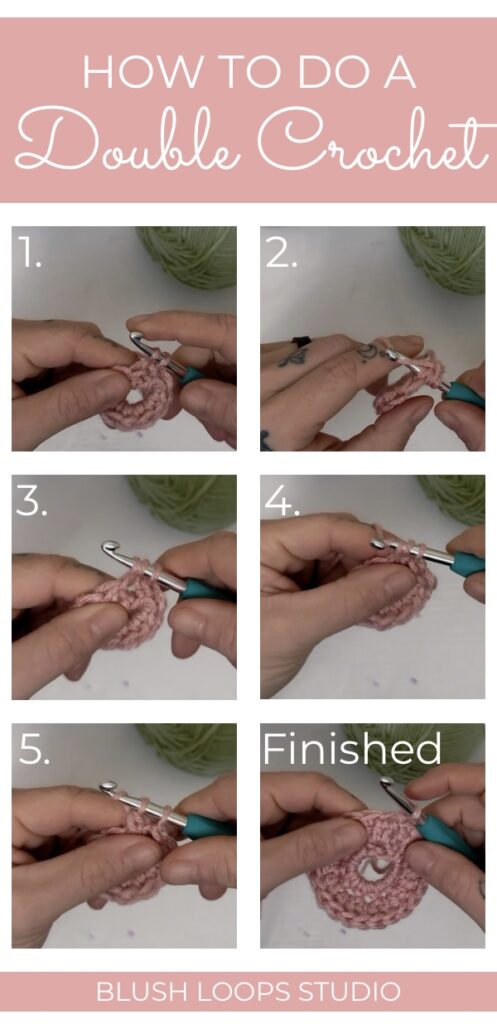
The stitch that opens up beginner patterns
The double crochet stitch is taller and airier, which means projects grow faster. It’s used constantly in blankets, granny squares, and beginner garments.
Once you learn this stitch, your project options multiply fast.
Projects commonly made with double crochet
- Granny squares
- Afghans and blankets
- Shawls and wraps
- Lightweight scarves
- Simple garments
- Washcloths and hand towels
Abbreviated as “dc.”
How to Make a Double Crochet (Step-by-Step)
Step 1: Yarn over
Step 2: Insert into the next stitch.
Step 3: Yarn over and pull up a loop. You’ll have three loops on your hook
Step 4: Yarn over. You now have four loops on your hook
Step 5: Pull through two loops. Two loops remain.
Step 6: Yarn over again
Step 7: Pull through the last two loops
Your double crochet is complete.
5. Slip Stitch (sl st)
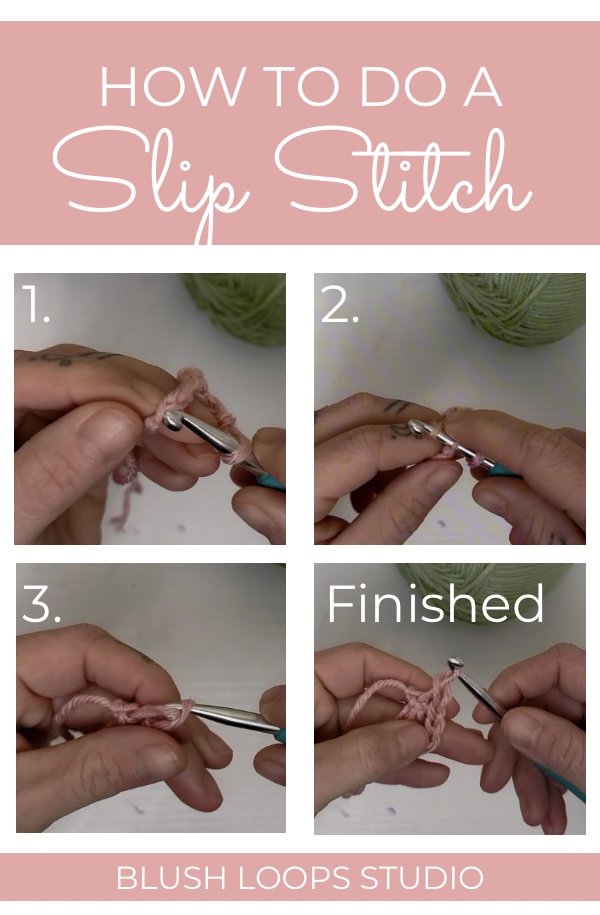
Small stitch, big job
The slip stitch doesn’t add height, but it does a lot of behind-the-scenes work. It’s used to join rounds, move yarn, and finish projects cleanly.
You’ll see it abbreviated as “sl st.”
What slip stitches are used for
- Joining rounds
- Ending rows neatly
- Decorative surface crochet
- Moving yarn without adding height
How to Make a Slip Stitch (Step-by-Step)
Step 1: Insert your hook into the next stitch
Step 2: Yarn over
Step 3: Pull through the stitch and the loop on your hook, leaving just one loop on the hook
That’s it. You can now make all of the 5 easy crochet stitches that are the foundation of a huge portion of crochet patterns.
Want to Save These Easy Crochet Stitches for Later?
Hover over the image to your left to Pin this post to your Crochet Pinterest board for later.
And be sure to give Blush Loops Studio a follow on Pinterest to keep up with the latest blog posts and patterns we share.
How These Easy Crochet Stitches Work Together
These basic crochet stitches rarely work alone. Most beginner patterns mix and match them.
For example:
- A blanket may start with chains, use double crochet, and finish with slip stitches
- Amigurumi uses mostly single crochet with slip stitches
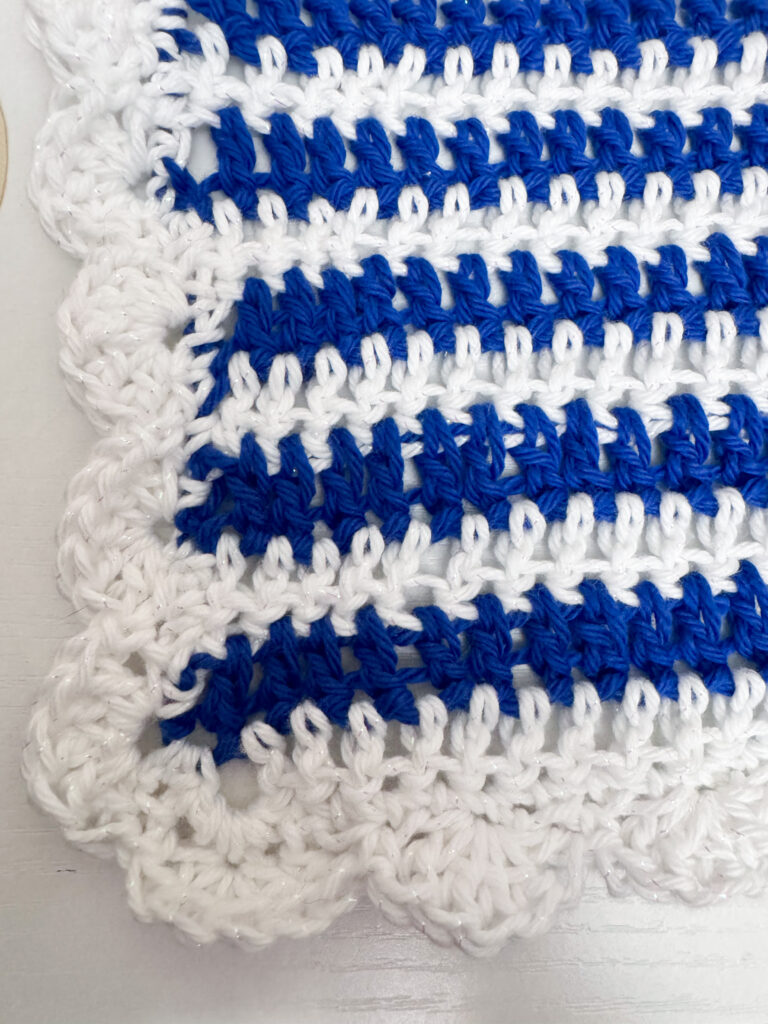
- Many scarf patterns mix half double crochet and double crochet
Once you recognize these stitches, patterns stop feeling random and start feeling logical.
Tips for Practicing Beginner Crochet Stitches
Start with swatches
Small practice squares help you focus on consistency without pressure. This is a good time to practice gauge and understand how both your yarn and your hook size can affect gauge. Am I speaking a different language; read our Guide to Yarn and Hook Sizes.
Use light colored yarn
Seeing your stitches is of the upmost importance at this stage. Black, dark brown, dark blue, or deep red yarns can hide induvial stitches. Start with lighter shades until you feel confident recognizing stitches.
Count your stitches
No really… count your stitches every single row. When you are first starting out, it’s easy to get off track and lose a stitch at the beginning or end of a row. Doing this will help you practice seeing the stitches and keeping good count.
Go slow
Speed comes naturally. Confidence comes first.
Basic Crochet Stitch Abbreviations to Know
- ch – Chain
- sc – Single crochet
- hdc – Half double crochet
- dc – Double crochet
- sl st – Slip stitch
You’ll see these everywhere. Soon they’ll feel second nature.
What to Learn After These Easy Crochet Stitches
Once you’re comfortable, you can explore:
- Working in the round – See our Guide to the Magic Ring
- Increasing and decreasing
- Granny squares
- Simple color changes
- Textured stitch patterns
Take this process one step at a time. Don’t try to do a color changing granny square pattern with 10 different stitches in the pattern right out of the gate. Focus on building each skill individually.